
Local Culture and Traditions: Exploring Dominican Heritage During Your Trip
Exploring the Rich History of the Dominican Republic
Local Culture and Traditions: Exploring Dominican Heritage During Your Trip
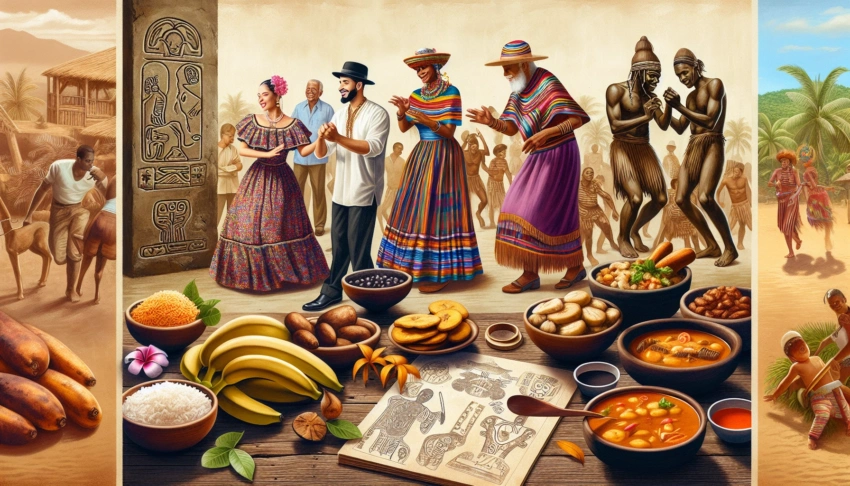
Delving into the history of the Dominican Republic offers a fascinating glimpse into the cultural tapestry that defines this vibrant nation today. From the arrival of European explorers to the enduring legacy of the Taino people, each historical layer has contributed to the rich cultural heritage of the Dominican Republic.
1. The Arrival of Columbus and its Impact
The arrival of Christopher Columbus in 1492 marked a turning point in the history of the Dominican Republic and the entire New World. Columbus landed on the island of Hispaniola, which is shared today by the Dominican Republic and Haiti. This momentous event opened the door to European exploration and settlement in the Americas, forever altering the cultural and demographic landscape of the region.
The impact of Columbus’s arrival was profound. European diseases decimated the indigenous populations, while European settlers introduced new agricultural practices, livestock, and technology. The cultural and economic influence of Spain led to the establishment of Santo Domingo, the first permanent European settlement in the Americas, in 1496. This city became a hub for Spanish colonial administration and trade, setting the foundation for the modern Dominican Republic.
2. The Taino Heritage
Before the arrival of Europeans, the island of Hispaniola was inhabited by the Taino people, an Arawak-speaking indigenous group. The Taino culture was vibrant and rich, characterized by sophisticated agricultural practices, a structured society, and a deep connection to nature and spirituality.
The Taino legacy is still evident in modern Dominican culture. Many Dominican words, foods, and traditions have Taino origins. For example, words like “barbecue” and “hammock” are derived from the Taino language. Additionally, the Taino influence is visible in the country’s culinary traditions, with staple foods such as cassava and sweet potatoes being central to the Taino diet.
Understanding the Taino heritage allows us to appreciate the deep historical roots that continue to shape Dominican identity and culture. The resilience and contributions of the Taino people are celebrated and remembered, ensuring their legacy endures.
3. Colonial Architecture and Landmarks
Punta Cana
A visit to the colonial zone in Santo Domingo offers a captivating journey through time. This UNESCO World Heritage Site is home to an array of historic buildings and landmarks that reflect the architectural grandeur of the Spanish colonial period.
Walking through the cobblestone streets of the Zona Colonial, one can marvel at structures like the Cathedral of Santa María la Menor, the oldest cathedral in the Americas, and the Alcázar de Colón, which was the residence of Diego Columbus, the son of Christopher Columbus. These landmarks are not just relics of the past; they are living testimonies to the historical significance and cultural evolution of the Dominican Republic.
Visitors can explore museums housed in these historic buildings to gain deeper insights into the colonial era’s art, culture, and daily life. The fusion of European and indigenous influences is evident in the architectural styles, artwork, and urban planning, providing a rich tapestry of cultural heritage.
By exploring these sites, travelers can connect with the Dominican Republic’s past and gain a deeper appreciation for the historical narratives that continue to shape its present and future.
Experiencing Dominican Music and Dance
The Dominican Republic is a land pulsating with vibrant rhythms and energetic dances that invite travelers to be part of its cultural heartbeat. From the melodious strains of Merengue to the soulful notes of Bachata, music is not just a form of art here — it’s a way of life.
Punta Cana
1. The Rhythms of Merengue
Merengue is the quintessential sound of the Dominican Republic, a lively and infectious music genre that has become synonymous with the island’s cultural identity. The origins of Merengue can be traced back to the early 19th century, where it began as a rural dance in the countryside. Over the decades, it evolved into a celebrated national symbol, transcending socio-economic boundaries to unite Dominicans in a shared rhythm.
The dance itself is characterized by its fast-paced, 2/4 beat, and the use of traditional instruments like the accordion, tambora, and güira. These instruments create a joyful syncopation that compels both locals and visitors to hit the dance floor. Merengue was declared part of the Intangible Cultural Heritage of Humanity by UNESCO in 2016, further cementing its cultural significance.
For travelers eager to experience Merengue firsthand, local dance schools and community centers often offer lessons. Engaging in a Merengue class is not just about learning dance steps — it’s about embracing the vibrant spirit that defines the Dominican Republic.
2. The Rise of Bachata
Bachata, another cornerstone of Dominican music, presents a more introspective and romantic side of the island’s musical landscape. Originating in the rural areas of the Dominican Republic in the early 20th century, Bachata initially faced stigma as a lower-class music genre. However, its soulful melodies and poignant lyrics resonated deeply with the people, leading to its rise in popularity.
The music features the sounds of guitar, bongos, and maracas, creating a rhythm that is both romantic and danceable. Over time, Bachata has transformed into a celebrated genre, influencing artists worldwide. Stars like Juan Luis Guerra and Romeo Santos have brought international acclaim to Bachata, expanding its reach far beyond the island’s shores.
For those interested in understanding Bachata’s cultural roots, visiting local music venues or attending a Bachata-centric event can provide an immersive cultural experience. These venues often host live performances, offering a chance to witness the genre in its most authentic form.
3. Participating in Local Dance Festivals
Dance festivals in the Dominican Republic are a vibrant showcase of the island’s musical heritage, providing visitors with the perfect opportunity to immerse themselves in local culture. These festivals are an explosion of color, music, and dance, offering an authentic glimpse into the Dominican way of life.
One of the most renowned festivals is the annual Merengue Festival, held in Santo Domingo and Puerto Plata. Attendees can expect a week of non-stop music, dancing, and celebrations, with local and international artists gracing the stage. The festival is a perfect opportunity to see Merengue and Bachata performances, learn dance steps from experts, and even participate in dance competitions.
To fully enjoy these festivals, visitors should come prepared to dance, mingle with locals, and embrace the festive spirit that envelops the island during these events. Additionally, checking local event calendars in advance can help in planning to attend these celebrations, ensuring that your trip coincides with these cultural highlights.
Our Best Ocean View Villa Rentals in Punta Cana
While immersing yourself in the rhythmic culture of the Dominican Republic, why not enhance your stay with a luxurious ocean view villa in Punta Cana? These properties offer the perfect blend of comfort and proximity to vibrant cultural festivities.

Exclusive Ocean View 5-Star Cap Cana Villa for Rent - Chef, Butler, Maid & Golf Cart
from $4600 night Read more
Cap Cana Oceanfront Luxury Villa with Private Beach, Ladge Pool, Full Staff, Pickleball, 2 Golf Carts
from $6864 night Read moreTraditional Dominican Cuisine
One of the most delightful ways to dive into the heart of a culture is through its cuisine. The Dominican Republic offers a rich tapestry of flavors that reflect its multicultural heritage. By exploring traditional dishes, you’ll embark on a culinary journey that speaks volumes about the island’s history and the people who call it home.
1. Staple Ingredients and Their Roles
To truly appreciate Dominican cuisine, understanding its core ingredients is essential. The Dominican Republic’s culinary landscape is shaped by a wide array of ingredients that are not just staples, but also cultural symbols.
- Plantains: A versatile staple, plantains are used in various dishes. They are often boiled, mashed to create Mangú, or fried to make Tostones.
- Rice: Often paired with beans, rice forms the backbone of many meals, such as the popular Arroz con Habichuelas.
- Beans: Red and black beans are frequently used, providing a hearty component to meals.
- Cassava: This root vegetable is a nod to Taino heritage and is used in dishes like Casabe, a traditional flatbread.
- Seafood: Given the island’s location, fresh seafood is abundant and a key part of the diet, with dishes like Pescado con Coco (fish with coconut sauce) being favorites.
These ingredients not only provide nourishment but also tell stories of survival, adaptation, and celebration that are integral to the Dominican spirit.
2. Must-Try Dishes
While exploring Dominican cuisine, certain dishes stand out as quintessential experiences for any visitor. Here’s a guide to some must-try dishes that capture the essence of the Dominican Republic.
- Mangú: This is a breakfast staple made from boiled, mashed plantains, often served with eggs, fried cheese, and salami.
- Sancocho: A hearty stew that’s a favorite for special occasions, featuring a mix of meats and root vegetables in a savory broth.
- La Bandera: Known as the Dominican flag, this dish consists of rice, beans, and meat, symbolizing the country’s vibrant culture.
- Mofongo: A dish of African influence, made from fried plantains, garlic, and pork cracklings, often served with a savory broth.
- Pastelón: A layered dish similar to lasagna, made with sweet plantains and ground beef, showcasing the blend of flavors unique to the island.
Each of these dishes offers a taste of the Dominican Republic’s history, revealing how its rich cultural past influences its present culinary traditions.
3. The Influence of African, Taino, and Spanish Flavors
The Dominican Republic’s cuisine is a beautiful amalgamation of African, Taino, and Spanish influences, each contributing unique flavors and techniques.
The Taino, the island’s original inhabitants, introduced ingredients like cassava and sweet potatoes. African slaves brought with them a rich culinary heritage that introduced new spices and cooking methods, which are evident in dishes like Mofongo. Meanwhile, the Spanish colonists contributed to the island’s culinary diversity with their European techniques and ingredients.
Culinary Contributions from Different Cultures
| Culture | Key Contributions | Typical Dishes |
|---|---|---|
| Taino | Cassava, sweet potatoes, corn | Casabe, Arepa |
| African | Bananas, okra, spices | Mofongo, Mondongo |
| Spanish | Olive oil, pork, dairy | Paella, Chicharrón |
The fusion of these culinary traditions has resulted in a cuisine that is both vibrant and comforting, offering a delightful experience for those who wish to explore the flavors of the Dominican Republic. Whether you’re savoring a plate of Mangú or indulging in a bowl of Sancocho, each bite is a testament to the island’s rich cultural tapestry.
Celebrating Dominican Festivals and Holidays
Engage yourself in the vibrant and colorful tapestry of Dominican festivals and holidays, where culture and tradition come to life in joyful expressions. These celebrations offer a window into the heart of the Dominican spirit, where history, art, and community intertwine.
1. Carnaval Dominicano
The Dominican Carnival, or Carnaval Dominicano, is a dazzling spectacle that paints the towns and cities with a riot of colors, music, and dance. Celebrated throughout February, the carnival is a tribute to the country’s diverse heritage and a celebration of freedom and identity.
During the carnival, each region of the Dominican Republic showcases its unique traditions and costumes, with La Vega being particularly famous for its vibrant parades. Here, you will encounter the Diablos Cojuelos, mischievous devils adorned in elaborate masks and costumes, who playfully engage with the crowd. The carnival is a sensory overload, with the pulsating beats of Merengue and Bachata providing an infectious rhythm that invites everyone to dance.
Participating in the Dominican Carnival is not just about being a spectator; it’s an invitation to become part of the celebration. Whether you choose to don a costume or simply immerse yourself in the lively atmosphere, the carnival offers a unique insight into the Dominican way of celebrating life.
2. Semana Santa Traditions
Semana Santa, or Holy Week, is a deeply spiritual and culturally significant period in the Dominican Republic. It marks the week leading up to Easter Sunday and is observed with a mix of religious ceremonies and local traditions that reflect the country’s rich heritage.
During Semana Santa, towns across the country host processions that reenact the Passion of Christ, drawing both locals and visitors into a reflective and reverent atmosphere. In small towns like Bani and San Cristobal, these processions are particularly poignant, featuring life-sized statues and participants in period costumes.
Beyond the religious observances, Semana Santa is also a time for family gatherings and traditional feasts. Many Dominicans take this opportunity to enjoy the country’s beautiful beaches and natural landscapes, making it a perfect time for visitors to experience both the spiritual and leisurely aspects of Dominican culture.
3. The Festival of La Virgen de Altagracia
The Festival of La Virgen de Altagracia, celebrated on January 21st, is one of the most important religious events in the Dominican Republic. Dedicated to the country’s patron saint, the Virgin of Altagracia, this festival is a profound expression of faith and devotion.
Pilgrims from all over the island journey to the Basilica of Higuey, a stunning architectural masterpiece that houses the image of the Virgin. The festival is a blend of solemn religious ceremonies and festive activities, including music, dance, and vibrant parades.
La Virgen de Altagracia holds a special place in the hearts of Dominicans, symbolizing protection and blessings. For visitors, participating in this festival offers a unique opportunity to witness the deep-rooted spiritual traditions that continue to shape Dominican society.
Our Best Festival Experiences in Punta Cana
To truly immerse yourself in these cultural festivities, consider staying in Punta Cana, where you can enjoy both the vibrant celebrations and the serene beauty of the Caribbean. Discover our exclusive rentals that place you at the heart of these unforgettable experiences.
New Bávaro Beach Beachfront Condo for Rent - Stunning Ocean View, Housekeeper & Rooftop Terrace
from $811 night Read more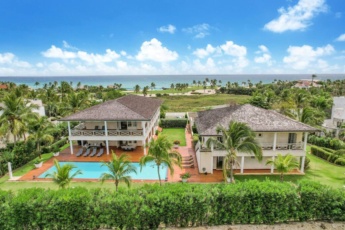
Private Cap Cana Caleton Villa with Large Pool, Ocean View, and Top Amenities
from $2246 night Read moreBy participating in these festivals, you don’t just observe Dominican culture; you become a part of it. These celebrations are a testament to the island’s enduring spirit, where history, tradition, and community come together in a joyous dance of life.
Art and Craftsmanship in Dominican Culture
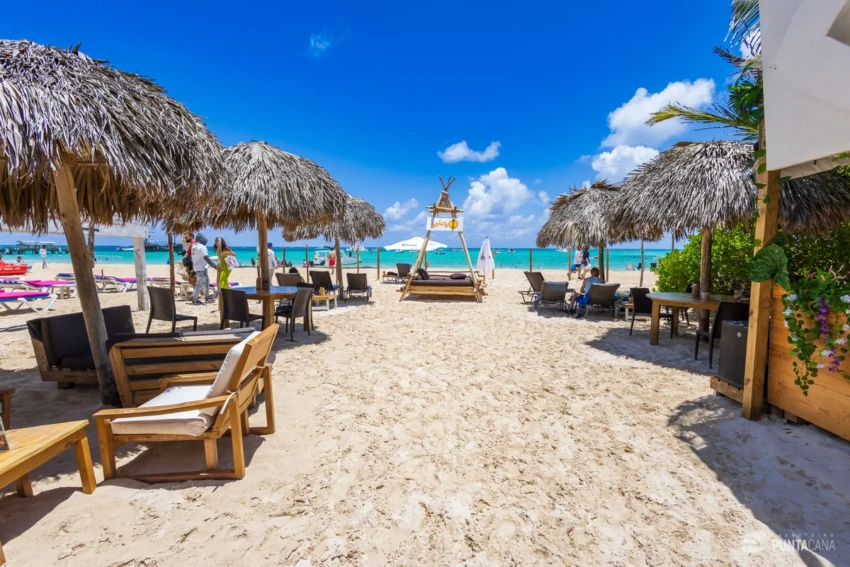
The Dominican Republic is a treasure trove of artistic expression, where traditional crafts and modern art movements coexist, offering a vibrant tapestry of cultural heritage. Whether you’re an art aficionado or a curious traveler, immersing yourself in the local art scene is a must-do experience during your visit.
Punta Cana
1. Exploring Dominican Art Galleries
The Dominican Republic boasts a rich array of art galleries that showcase both historical and contemporary works. In Santo Domingo, the Museo de Arte Moderno is a key destination. This gallery offers a deep dive into the country’s modern art scene, highlighting pieces from influential Dominican artists such as Yoryi Morel and Ada Balcácer. The museum’s collection spans several decades, reflecting the evolution of art in the region.
Another noteworthy gallery is the Centro León in Santiago. This cultural center not only houses an extensive collection of art but also promotes Dominican culture through educational programs and workshops. It’s a fantastic place to learn about the intersection of art and cultural identity in the Dominican Republic.
For those interested in folk art, the Galería de Arte Nader in Santo Domingo offers a selection of vibrant, traditional pieces that capture the essence of Dominican life. Here, visitors can explore the diverse artistic expressions that have emerged from the country’s rich cultural tapestry.
2. Traditional Crafts and Souvenirs
Dominican craftsmanship is renowned for its unique blend of indigenous, African, and European influences. One of the most iconic traditional crafts is Larimar jewelry. Larimar, a rare blue stone found only in the Dominican Republic, is crafted into beautiful pieces by skilled artisans. These jewelry items make for perfect souvenirs, offering a piece of the island’s natural beauty.
Another popular craft is Taino pottery. The Taino people, the island’s original inhabitants, have left a significant mark on Dominican culture, and their pottery is a testament to their artistic prowess. Visitors can find replicas of Taino pottery, which are both beautiful and functional, serving as a reminder of the island’s rich history.
For those seeking more contemporary souvenirs, the Mercado Modelo in Santo Domingo offers a bustling marketplace where local artisans sell everything from handwoven baskets to intricate wood carvings. This market is a sensory delight, filled with the vibrant colors and scents of Dominican culture.
3. The Influence of Modern Art Movements
The Dominican art scene is constantly evolving, with modern art movements leaving a significant impact. Artists are increasingly experimenting with new mediums and techniques, pushing the boundaries of traditional art forms. The influence of global art trends is evident in the work of contemporary Dominican artists who are gaining recognition both locally and internationally.
One such movement is the Dominican Neo-expressionism, characterized by bold colors and expressive forms. Artists like José Rincón Mora and Belkis Ramírez are at the forefront of this movement, using their art to explore themes of identity, politics, and social change.
Additionally, the rise of public art installations has transformed urban spaces across the country. Cities like Santo Domingo and Punta Cana feature murals and sculptures that engage the public, turning everyday environments into dynamic art galleries. These installations not only beautify the cities but also provoke thought and conversation among viewers.
Exploring the art and craftsmanship of the Dominican Republic offers a unique window into the soul of the nation. Each piece of art and craft tells a story, inviting you to delve deeper into the cultural narrative of this remarkable country.
Frequently Asked Questions
What are some key cultural events to experience in the Dominican Republic?
When visiting the Dominican Republic, you can immerse yourself in the local culture by attending vibrant events such as the Carnaval in February, where parades and music fill the streets. The Merengue Festival in July and August celebrates the country’s national dance with live music and dancing.
How can I respectfully engage with local customs and traditions?
Showing respect for local customs involves observing and participating with an open mind. Dress modestly when visiting religious sites and always ask for permission before taking photos of people. Learning a few basic phrases in Spanish can also help demonstrate respect and foster friendly interactions.
What traditional foods should I try to experience Dominican culture?
To truly savor Dominican culture, try traditional dishes such as La Bandera, which consists of rice, beans, and meat. Other must-tries include Mangu (mashed plantains) for breakfast, and Sancocho, a hearty stew, often enjoyed during celebrations.
Are there any traditional crafts or souvenirs I should look for?
Look for traditional crafts such as larimar jewelry, made from a rare blue stone found only in the Dominican Republic, and amber pieces, which are often crafted into beautiful jewelry. Handwoven baskets and pottery are also popular souvenirs that reflect the country’s artisan traditions.
What are some common cultural etiquette practices in the Dominican Republic?
Dominicans are known for their hospitality. It’s common to greet with a handshake or a kiss on the cheek. When visiting someone’s home, it’s polite to bring a small gift, such as pastries or flowers. Punctuality is not as strict, so being slightly late is often acceptable.
How important is music to Dominican culture?
Music is a central part of Dominican culture, with Merengue and Bachata being the most popular genres. You will often hear music playing in public spaces, and dancing is a cherished social activity. Participating in local dance events can provide a deeper understanding of the culture.
What are some famous historical sites to visit in the Dominican Republic?
Explore the rich history of the Dominican Republic by visiting the Colonial Zone in Santo Domingo, a UNESCO World Heritage Site filled with historic buildings and museums. The Alcázar de Colón and the Fortaleza Ozama are must-see sites for history enthusiasts.
How does the Dominican Republic celebrate its cultural heritage?
The Dominican Republic celebrates its cultural heritage through festivals, music, dance, and food. Independence Day on February 27th is a significant celebration, marked by parades and cultural displays. Year-round, locals and visitors alike can enjoy community events that highlight traditional music and dance.